

Social media marketing examples are defined as documented brand campaigns that use platform-specific tactics to generate measurable engagement, reach, and revenue. The best examples from 2026 share one trait: they treat audiences as co-creators, not passive viewers. Brands like Virgin Voyages, La Roche-Posay, and Spirit Airlines have each demonstrated that participatory content outperforms broadcast-style advertising by orders of magnitude. For small and medium-sized business owners, studying these successful social media campaigns is the fastest way to identify which strategies are worth replicating and which are just noise.
1. What makes social media marketing examples successful in 2026?
The most effective campaigns today share a set of identifiable characteristics. Understanding these criteria helps you evaluate any example you encounter and decide whether it applies to your business.
The defining factors of high-performing campaigns include:
- Audience participation and co-creation. Fans are invited to shape the narrative, not just watch it unfold. This shifts the emotional investment from the brand to the community.
- Platform-native feature use. Campaigns built around TikTok’s comment photo feature, Instagram Collabs, or Reddit’s upvote culture perform better than repurposed TV-style ads dropped onto social feeds.
- Speed from organic to paid. Batiste turned a viral TikTok comment into a fully branded campaign in just five days. That speed is only possible when legal and production workflows are built for agility.
- Creator diversity. Campaigns that involve creators across multiple niches, follower counts, and age groups reach audiences that a single influencer never could.
- Episodic storytelling. Treating a campaign like a daily show, with recurring characters, cliffhangers, and real-time updates, builds habitual viewership rather than one-time impressions.
- Radical transparency. Sharing failures, regulatory setbacks, and unanswered questions publicly builds more trust than polished brand messaging.
Pro Tip: Before launching any campaign, map it against these six criteria. If your plan only checks one or two boxes, you are likely building a broadcast ad, not a social media campaign.
2. Audience participation campaigns that actually worked
The most cited social media marketing case studies from 2026 are built on one principle: give the audience a creative role and they will do the distribution for you.
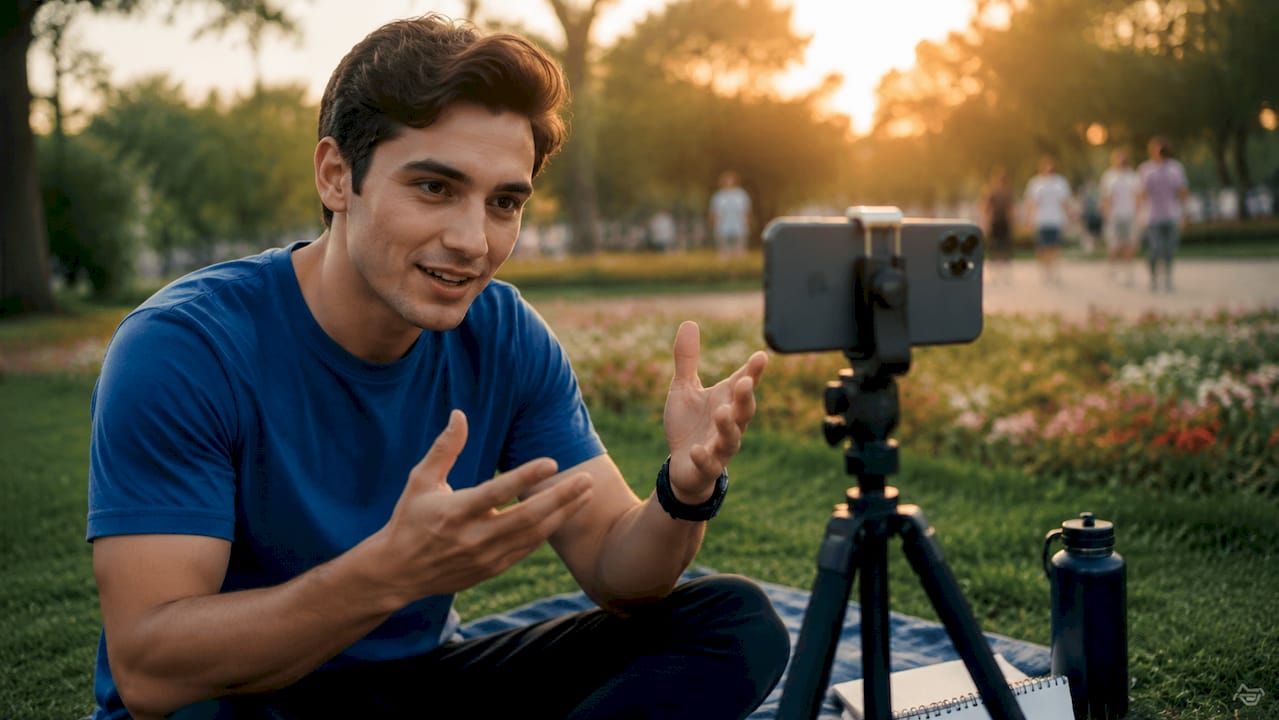
KFC Arabia’s AI-generated cheddar sauce drama
KFC Arabia turned a product launch into a participatory fiction series. The brand used AI-generated content to dramatize a fictional “cheddar sauce crisis,” then invited fans to co-write the next episode. The result was 4M+ views and 130K+ shares generated entirely through organic reach. The campaign worked because fans were not spectators. They were credited contributors who had a stake in where the story went next. For SMBs, the lesson is that even a product as ordinary as a condiment can become a cultural moment when the audience holds the pen.
La Roche-Posay’s “NO REGERETS” tattoo campaign
La Roche-Posay identified a niche TikTok behavior: users posting photos of tattoo regrets in the comment sections of skincare videos. The brand built a campaign directly inside that behavior, using TikTok’s photo-in-comment feature as the creative canvas. The campaign produced 39% of La Roche-Posay’s Nordic engagement in just six weeks. That figure represents nearly 40% of annual regional engagement compressed into a single campaign window. The brand did not interrupt the conversation. It became part of one that was already happening.
“The best social media campaigns do not create new behaviors. They find existing ones and give them a brand home.” — Observed pattern across 2026’s top-performing campaigns.
3. How influencer diversity and creator events scale brand awareness
Virgin Voyages executed one of the most documented creator events of 2026. The cruise line invited 1,100 TikTok creators aboard a free cruise, with one explicit goal: generate authentic content at scale.
The results were specific and verifiable:
- 108 million views generated across creator content
- 270% increase in unique viewers compared to prior campaigns
- 386% growth in net new followers during the campaign window
The strategy behind those numbers was deliberate. Virgin Voyages did not fill the ship with mega-influencers chasing the same luxury travel audience. They invited creators from varied follower counts and niches, including food, fitness, family travel, and comedy, to reach audience segments that had never considered a cruise before. This is the core insight: diversity in creators allows brands to reach new audiences and build trust in markets beyond their usual customer base.
For SMBs without a cruise ship budget, the principle scales down. A local restaurant can invite five micro-creators from different niches, a food blogger, a fitness account, a family lifestyle creator, and a comedy creator, to cover a single event. The combined reach and audience diversity will outperform one large influencer every time.
Pro Tip: When selecting creators, prioritize audience overlap below 20%. If two creators share most of the same followers, you are paying twice for the same reach.
4. Episodic storytelling that builds loyal audiences fast
Spirit Airlines used its TikTok channel as a daily show during a critical business restructuring period. The brand shared real-time updates on regulatory challenges, platform crashes, and investor pledges as they happened, treating followers like stakeholders in the outcome.
The campaign produced results that most brands would consider impossible for a company in financial distress:
| Metric | Result |
|---|---|
| Total pledges raised | $337 million |
| Participants | 370,000+ |
| Campaign duration | Days, not months |
| Content format | Daily episodic TikTok updates |
| Transparency level | Failures and setbacks shared publicly |
Spirit’s episodic social storytelling worked because the audience felt they were watching something real unfold in real time. The brand openly shared regulatory challenges and platform crashes as part of the daily content, which built credibility that no polished press release could match. Treating social campaign launches as episodic series with real-time updates fosters a loyal audience that repeatedly returns for new content. That repeat return behavior is what separates a viral moment from a sustained campaign.
Pro Tip: Structure your next product launch as a five-episode series. Episode one is the problem. Episode two is the attempt. Episode three is the setback. Episode four is the pivot. Episode five is the result. This arc keeps audiences returning and creates natural sharing moments at each stage.
5. User-generated content at scale through platform-native behavior
Unilever’s Dove brand demonstrated that user-generated content does not require a dedicated campaign infrastructure. Dove identified that Reddit users were already posting unfiltered, honest reviews of their products in skincare communities. The brand built an omni-channel campaign around those existing reviews, pulling authentic language directly from Reddit threads and amplifying it across paid and organic channels. The campaign exceeded 1 billion impressions and drove measurable category growth. One billion impressions from content the brand did not have to create from scratch is a significant efficiency advantage.
The method is replicable for any SMB. Search your brand name on Reddit, Google Reviews, and TikTok comments. Find the language your actual customers use to describe your product. Then build your next campaign around that language, not around what your marketing team thinks sounds good. Authentic customer voice consistently outperforms brand-crafted messaging in social environments.
Key takeaways
The most effective social media marketing strategies in 2026 treat audiences as active participants, not passive recipients, and that shift in approach is what separates campaigns that generate millions of impressions from those that generate none.
| Point | Details |
|---|---|
| Co-creation drives organic reach | Campaigns like KFC Arabia’s generated 4M+ views and 130K+ shares without paid distribution. |
| Platform-native features multiply engagement | La Roche-Posay generated 39% of annual Nordic engagement in six weeks using TikTok’s comment photo feature. |
| Creator diversity expands audience reach | Virgin Voyages achieved 386% follower growth by involving creators across unrelated niches. |
| Episodic content builds repeat audiences | Spirit Airlines raised $337M in pledges by treating TikTok as a daily show with real-time updates. |
| Existing customer language is campaign-ready | Dove exceeded 1 billion impressions by amplifying authentic Reddit reviews across paid channels. |
What I’ve learned from studying these campaigns as a marketer
After analyzing dozens of social media marketing case studies, the pattern that stands out most is how few SMBs actually apply what they observe. They see a campaign like Spirit Airlines’ TikTok series and think it only works for a brand with national name recognition. That assumption is wrong, and it costs them real growth.
The participatory model works at any scale because it is built on human psychology, not budget size. When you give your audience a role in your story, whether that is voting on your next product color, submitting photos for a campaign, or co-writing a caption, you create a sense of ownership. People share what they helped build. That is not a marketing trick. It is how communities form.
The agility piece is where most SMBs fall short. Batiste moved from a viral comment to a paid campaign in five days. Most small businesses would still be in an approval meeting two weeks later. Building fast legal and production workflows is not glamorous, but it is the infrastructure that separates brands that capitalize on viral moments from those that watch them pass. If you want to learn more about how digital marketing strategies translate to real business results, the gap between observation and execution is where the work actually happens.
My honest recommendation: pick one of these five campaign models and run a small test this quarter. Do not try to replicate the full Virgin Voyages activation. Invite three local creators from different niches to cover your next event and measure the combined reach. The data you collect will be more useful than any case study you read, including this one.
— Tommy
Ready to build campaigns that actually perform?
Studying social media marketing examples is the first step. Executing them consistently is where most SMBs need support. Seolevelup’s team of digital marketing specialists helps small and medium-sized businesses design and implement social media strategies grounded in real campaign data, not guesswork.
Whether you need help identifying the right creators, building content calendars around episodic storytelling, or connecting your social efforts to local search visibility, Seolevelup has the expertise to move your brand from observer to participant. Our social media marketing services are built for businesses that want verifiable results, not vanity metrics. For SMBs looking to combine social reach with local search dominance, our managed local SEO services create the kind of compounding visibility that paid campaigns alone cannot deliver.
FAQ
What are the best social media marketing examples for small businesses?
The most replicable examples for SMBs include La Roche-Posay’s TikTok comment campaign, KFC Arabia’s co-creation series, and Dove’s Reddit-to-paid amplification model. Each of these works with limited budgets because they rely on platform behavior and audience participation rather than high production costs.
How do you create social media content that drives engagement?
Build content around existing audience behavior on each platform rather than repurposing content from other channels. Campaigns that use platform-native features, like TikTok’s comment photo tool, consistently outperform generic video posts.
What makes a social media campaign go viral?
Campaigns go viral when audiences have a reason to participate and share. KFC Arabia’s AI drama generated 130K+ organic shares because fans were co-authors. Giving your audience a creative role is the most reliable path to organic distribution.
How many creators should an SMB involve in a campaign?
Three to five creators from different niches is a practical starting point for most SMBs. Virgin Voyages used 1,100 creators, but the core principle, audience diversity over follower count, applies at any scale.
How fast should a brand respond to a viral moment?
Batiste converted a viral TikTok comment into a paid campaign in five days. Brands that respond within a week capture the momentum. Brands that wait longer are typically responding to a trend that has already peaked.


